Naperville, IL Guardianship Attorneys
Supportive Guardianship Lawyers in Naperville
When someone is not able to take care of themselves or address their basic needs, another adult may have to step in and assume responsibility as a guardian. However, this is not as simple as merely filing an application with the courts. Rather, the person seeking guardianship must show that the arrangement is in the other party's best interests or is needed due mental, emotional, physical or cognitive disabilities.
At Fay & Farrow, we understand how important guardianship proceedings are for protecting vulnerable individuals while preserving as much independence as possible. We guide clients through every step of the process, from preparing the petition to representing them at the court hearing.
Types of Guardianship in Illinois
Plenary guardianship grants the guardian full decision-making authority over the ward’s personal and financial affairs. A plenary guardian may decide where the ward lives, approve medical treatment, manage bank accounts, pay bills, and enter into contracts on the person’s behalf.
Limited guardianship, by contrast, is tailored to the ward’s specific needs. The court identifies which rights and responsibilities the guardian will exercise—for example, medical decisions or handling financial matters—while preserving the ward’s remaining legal capacities.
On the other hand, guardianship of the estate covers financial affairs such as managing investments, filing taxes, and protecting assets.
Requirements for Guardianship
To establish guardianship in Illinois, petitioners must satisfy several statutory criteria. First, the proposed ward must be found “disabled," meaning they lack sufficient understanding or capacity to make personal or financial decisions. Second, the court must determine that granting guardianship is necessary to protect the person’s health, safety, or property. Third, the proposed guardian must demonstrate they are willing and able to act in the ward’s best interests.
Becoming a Guardian for a Minor in Naperville
A minor under age 18 may require a guardian if both parents are deceased, incapacitated, or otherwise unable to care for the child. The process begins with filing a petition in the county and court, depending on the child’s residence. The petitioner—often a relative or close family friend—will often need to include the child’s birth certificate, a statement of the child’s living situation, and a proposed guardianship plan.
Next, the court ensures the child’s parent(s) receive notice and an opportunity to object. If the biological parents consent, the hearing may proceed more quickly. If objections arise, the court reviews evidence of the child’s best interests. At the hearing, the judge may also interview the minor if age-appropriate. Upon finding that the guardianship serves the child’s welfare, the court issues letters of guardianship outlining the guardian’s powers and reporting obligations.
Meet With a Naperville, Illinois Guardianship Lawyer
At Fay & Farrow, our team can guide you through every step of the guardianship process. Contact our DuPage County, IL guardianship attorneys or call 630-961-0060 for a free consultation.
Contact Our Team
Set up a consultation with us to get legal help with your family law case. Call 630-961-0060 or fill out the form below:

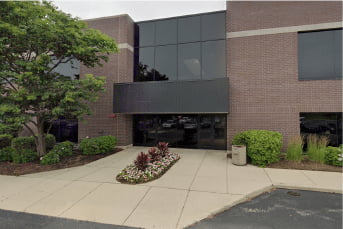
Naperville Office


From our office in Naperville, we provide legal help to clients in communities throughout DuPage County, Will County, Kane County, Kendall County, DeKalb County, and Cook County, including Addison, Aurora, Bartlett, Bolingbrook, Carol Stream, Chicago, Des Plaines, Downers Grove, Elgin, Elmhurst, Evanston, Geneva, Glen Ellyn, Glendale Heights, Hinsdale, Joliet, Lisle, Lockport, Lombard, Oak Brook, Oswego, Palatine, Plainfield, Schaumburg, Skokie, St. Charles, Warrenville, West Chicago, Wheaton, and Woodridge.
Results listed are not a guarantee or indication of future case results.
©2026 Fay & Farrow 1730 Park Street, Suite 109, Naperville, IL 60563 630-961-0060