What Is the Difference Between Legal Separation and Divorce in Illinois?
 When a marriage is no longer working, ending it is not the only legal option. Some couples want to live apart and address financial or parenting concerns without getting divorced.
The main difference is that a divorce legally ends the marriage, while a legal separation does not. Illinois law provides a court process for legal separation that can address issues such as maintenance and child support while the couple remains married. If you are deciding which option makes sense in 2026, a Naperville, IL family law attorney can explain how each choice would affect you.
What Does Legal Separation Mean in Illinois?
Under 750 ILCS 5/402 of the Illinois Marriage and Dissolution of Marriage Act, a person living apart from their husband or wife can ask the court for a judgment of legal separation. However, legal separation is more than simply living in different homes.
In a legal separation, the couple remains married after the judgment. It creates a formal legal arrangement that allows a couple to address certain family and financial issues while remaining married. Neither person can marry someone else unless they later get divorced.
Does Legal Separation Divide Property in Illinois?
Legal separation does not give the court the power to divide property. Whereas in a divorce, the court can divide marital property between the couple.
Illinois law takes a different approach to property in a legal separation. The court can approve a property settlement agreement when the couple asks to include it in the judgment.
This means the couple can agree on what will happen to assets and debts. An attorney can help make sure the agreement addresses property that could otherwise become an issue later.
Can You Receive Alimony During a Legal Separation in Illinois?
Maintenance, also called alimony, is available during an Illinois legal separation. A court can award maintenance when the requirements under Illinois law are met.
According to 750 ILCS 5/504, the court considers each person's income, property, needs, and other factors when deciding whether to award maintenance. The law also provides rules for determining the amount and length of maintenance when the statutory guidelines apply.
A person does not have to get divorced before asking the court for this type of financial support.
What Happens With Children During an Illinois Legal Separation?
Parents who legally separate can have court orders for parenting time and child support. They do not need to divorce to put these arrangements in place.
Important parts of a child's life, such as education and health care can be decided under parental responsibilities. While parenting time sets the schedule for when the child is with each parent. The court bases these decisions on the child's best interests.
Child support can also be ordered during a legal separation. Illinois uses the same child support law that applies when parents divorce. These orders allow parents to have clear rules for their children while they live apart.
Can You Get Divorced After a Legal Separation in Illinois?
Getting legally separated does not prevent a later divorce. Either person can later file for divorce if they decide to end the marriage.
A property agreement from the legal separation can still matter if you later divorce. If the court approved the agreement and included it in the legal separation judgment, the property terms generally remain in place and are not divided again during the divorce.
This makes it important to understand any property agreement before signing it. Its terms can continue to affect you if the legal separation later becomes a divorce.
Talk to a Naperville, IL Legal Separation Lawyer
Choosing between legal separation and divorce can affect your family and finances. Before filing, it helps to understand what each process will and will not accomplish.
The attorneys at Fay & Farrow focus exclusively on family law, and we are one of the longest-standing local firms in the Naperville area. Our firm works to find civil and effective solutions when possible. Contact a McHenry County, IL family law attorney or call 630-961-0060 to schedule a free consultation.
Contact Our Team
Set up a consultation with us to get legal help with your family law case. Call 630-961-0060 or fill out the form below:

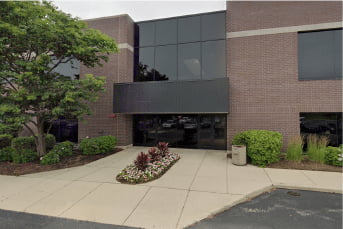
Naperville Office


From our office in Naperville, we provide legal help to clients in communities throughout DuPage County, Will County, Kane County, Kendall County, DeKalb County, and Cook County, including Addison, Aurora, Bartlett, Bolingbrook, Carol Stream, Chicago, Des Plaines, Downers Grove, Elgin, Elmhurst, Evanston, Geneva, Glen Ellyn, Glendale Heights, Hinsdale, Joliet, Lisle, Lockport, Lombard, Oak Brook, Oswego, Palatine, Plainfield, Schaumburg, Skokie, St. Charles, Warrenville, West Chicago, Wheaton, and Woodridge.
Results listed are not a guarantee or indication of future case results.
©2026 Fay & Farrow 1730 Park Street, Suite 109, Naperville, IL 60563 630-961-0060